
Open to your story: Stories by June Wolfman
In just one year, since April 2025 to present, June Wolfman has captured our hearts and minds with six stories published at FreedomFiction.com including a nomination for Pushcart Prize. There are also other stories appearing in various popular online publications.
SPOILER ALERT
Read the stories here:
https://www.freedomfiction.com/tag/june-wolfman
June Wolfman utilizes open-ended conclusions in her short stories to provoke deep reflection, highlight moral ambiguity, and ensure her narratives resonate with readers long after they finish reading. Based on the stories and reader discussions, several key reasons emerge for this stylistic choice:
To Force Readers to Sit with Uncomfortable Questions
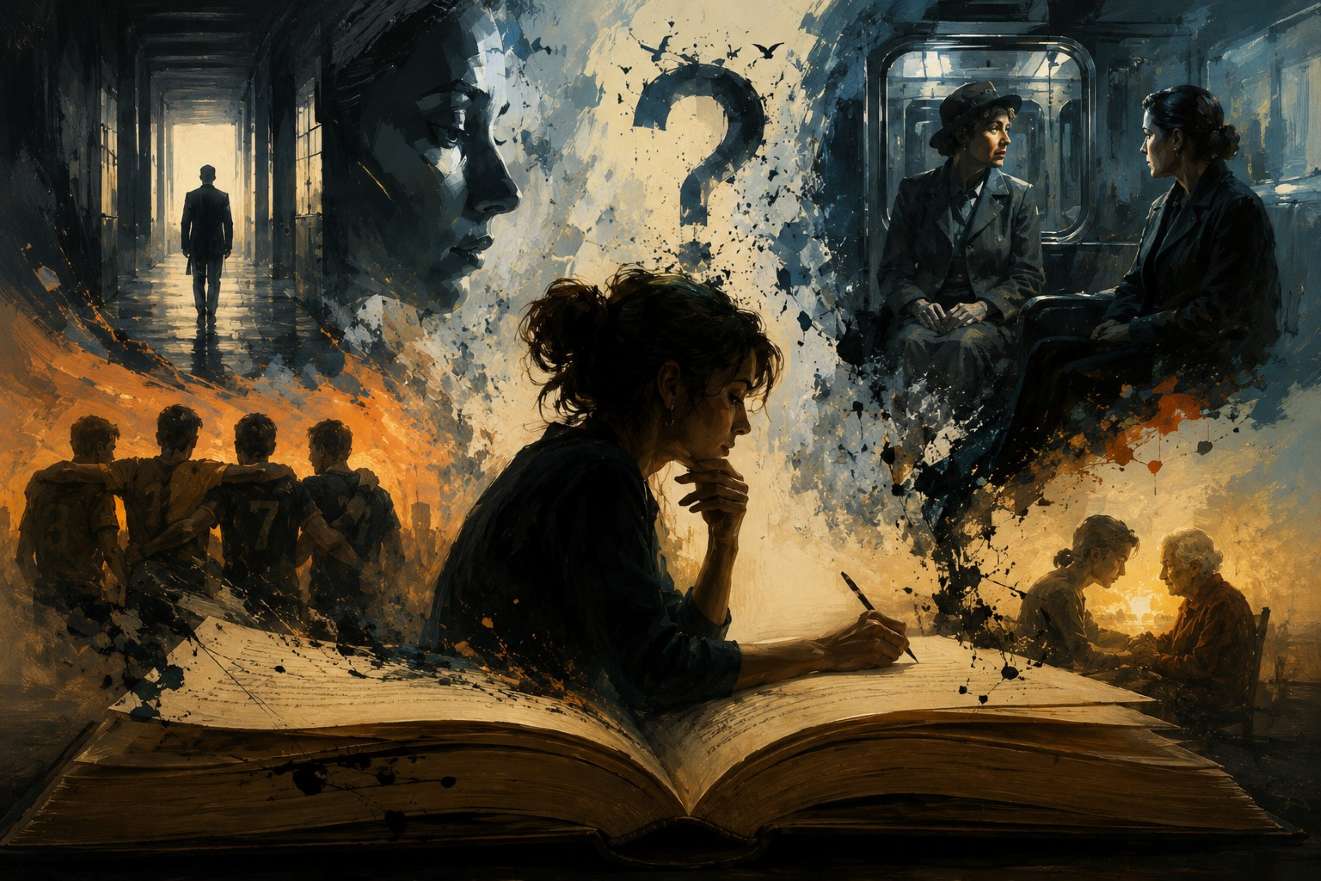
Wolfman uses unresolved endings to make readers grapple with the same complex ethical dilemmas her characters face. For instance, in Becoming an Adult, the protagonist Chandler is asked to take over the presidency of a fraternity that nearly killed his friend in a hazing ritual. The story ends before Chandler makes his decision, leaving the question to “sit inside him” as he walks to dinner.
Wolfman herself noted in the comments that writing the story meant “sitting with some uncomfortable questions about legacy, loyalty, and what it costs to grow up”. Readers appreciate that this lack of a neat resolution makes the story more thought-provoking regarding “the reasons behind choices and the possible life-long consequences of choices”.
To Highlight Blurred Lines and Differing Perspectives
In A Train Ride to Queens, former concentration camp prisoner Edith and former Nazi guard Helen find themselves sitting next to each other on a subway. When the train lights momentarily go out, one of the women is stabbed to death, but Wolfman deliberately leaves the victim and the killer unidentified. Readers note that this “deliciously open ended” conclusion forces the audience to examine both perspectives. It leaves the reader to question whether Edith killed Helen out of hatred and revenge, or if Helen killed Edith out of fear and shame, effectively demonstrating how “judgement can be clouded by personal emotions”.
To Spark Debate on Consequences and Ethics
Wolfman’s ambiguous endings often leave the fallout of supernatural or extreme actions unresolved, prompting ethical debates. In If Only, the paranormally gifted Terrance performs a “mercy killing” on a miserable caregiver named Linda. The story ends immediately after Linda dies, leaving readers to question Terrance’s “specious determinations for God-like actions” and debate the grim reality of what will now happen to the 99-year-old mother Linda was caring for.
To Create a Lasting Impact
Ultimately, Wolfman designs her endings so that the narratives linger in the reader’s mind. As Wolfman stated in response to fans discussing the unresolved ending of Becoming an Adult.
“Knowing the story stayed with you after the last line is the best gift an author can get”.
By refusing to tie her stories up perfectly, she ensures readers continue to ask questions and debate her characters’ motivations.
Here is another viewpoint—what do you think or believe are the reasons for the themes and methods employed by June Wolfman? Share it in the comments.
–Dey
Editor, FreedomFiction.com
Image Source: Dey from Fictom.com