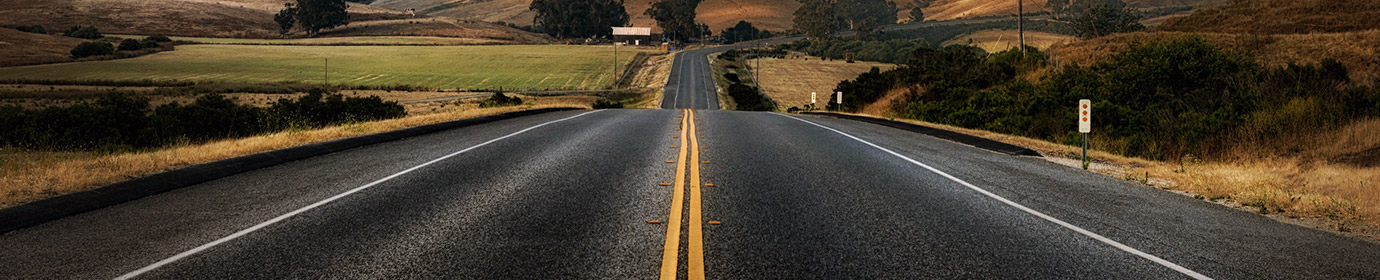
Dominion by D Bedell

Dominion by D Bedell
They have tasted power and grown ravenous.
One
It was not a clean, well-lighted place. The myth of an inviting oasis had long since floundered in the Dominion Quarters. Flickering Christmas lights strung in the windows of the faux railroad car eatery mocked its bleakness. Warehouses on either side loomed over the diner making it seem smaller still in their shadows. Lamp post sentinels marked the passage of the night, their soft glow small islands lining the street to end in the glare of a railroad yard. The blare of work among the engines of industry and commerce echoed in the brick canyon blackened by soot. It was only the chill night and a thin coat that made the diner look welcoming.
Jake Marco scraped the diner door open, deepening the black groove slashed into the linoleum floor, a scar from the cant of loose hinges no one likely would fix. He had to lift the door by the handle to close it over the threshold. Inside, the place smelled like a smoldering ashtray. Light clung in blue smoke as he followed a worn path to a wobbly stool at the counter. A Dominion television cast its shadow across the counter. It was no different than other diners in the Quarters.
The only waitress was chatting up someone who looked to be a railroad worker at the other end. She looked annoyed as he sat down. It was some minutes of silent protest before the waitress came over. Her name tag announced she was Kay.
“What’s it gonna be,” she demanded, pencil poised over pad. Someone in the kitchen looked out briefly and disappeared leaving a trail of cigarette smoke.
“Coffee and a roll.”
“Cream?”
“Negro, por favour.”
Kay smirked. “What kinda roll?”
“Fresh.”
“You get what we got,” Kay snapped as she walked away to the coffee machine.
Heavy mugs clinked as she took one from the stack and poured thick coffee into it. A plate with a two-day old roll completed the order that she set in front of Marco. She put his check face down on the counter in a quick motion before turning to rejoin her chat. Marco watched her go before tasting the coffee. It was burned. He knew the roll would be stale.
Pulling a Chesterfield from the pack in his coat pocket, Marco considered his new liberty. Two days free from a five-year sentence, he was not yet comfortable in his new civilian clothes. They hung on him loosely, belying his strength. Stoop labor in fields and humping a shovel on City road gangs had left him lean, hard, and bitter. His hands were rough and scarred, a reflection of a countenance older than his years. He sipped the coffee sparingly to linger in the smoky warmth of the place and counted what remained of his remittance. Five years of labor for the Dominion was not worth much. Cigarettes and scanty meals had already put him back by half. Prospects had not appeared and he feared being sent to a Vagrant’s Camp for not being economically viable in the parlance of Dominion law.
The man at the end of the counter left just before the breakfast rush from the railyard came, filling the diner with the smells of frying meat and numberless smokes stubbed out on plates. Kay and the cook worked smoothly through the raucous frenzy. Marco had managed to get a second cup of fresher coffee to wash down the roll. Kay said nothing as she filled his cup for the third time.
“Your name really Kay?” Marco asked, immediately feeling like a fool.
“Came with the uniform,” she said irritably.
Marco sighed and picked up his check, dreading the diminishment of his means. Neatly penciled on the sheet was the word “Wait.” Kay looked at him before taking his plate that he had used as an ashtray. He stiffened as she walked away and reached into his coat pocket for another Chesterfield. As he lit the cigarette, Kay cashed out the only other customer. She picked up the coffee pot and put another roll on a clean plate. Walking to him briskly, she had a slight smile and amused look about her. She put the plate on the counter and freshened his coffee.
“Just get out?” she asked.
Marco nodded. “That obvious?” he asked.
“Prison clothes. Do you know what you’re doin’?”
“Job in the yards, I guess.”
Kay looked at him skeptically as she put the coffee pot on the counter. “Gimme a smoke,” she said flatly. Marco offered her the pack and she took one as Marco held out his book of matches. Inhaling deeply, she seemed to drift away for a moment.
“What were you in for?” she asked.
“Heresy. Re-education program. Five years.”
“What did you do?”
“Wrote a pamphlet.”
“A pamphlet?”
“Yeah.”
“What was it about?”
“Reason,” Marco sighed.
“Did it work?” Kay asked.
“Did what work? Reason?
“The re-education.”
“Can’t say as it did,” Marco scoffed. “Either one.”
“You shouldn’t talk like that,” Kay whispered harshly. “What the hell are you thinkin’?” she hissed, leaning over the counter into his face. “You wanna go back?”
Marco went cold at the thought, but wondered at her reaction. He looked at her quizzically as he picked up the roll and took a bite to feign calm. It was no fresher than the first.
“I did a nickel, too,” she said, recognizing the question in his face. “Debtor’s Camp.”
Marco grew wary, the prison yard still fresh in his mind. The hard set of her eyes verified her words. Debtor’s Camp was the end of the line for economic failures in the eyes of Dominion. Few gained enough viability to regain freedom and those that did often became desperate in their efforts to remain free–if they weren’t able to buy their way out. Kay looked hard, but not callous. How she had landed in the diner must have been a rough time.
The cook came out of the kitchen. “We have an interest here,” he said quietly. “We can’t afford any trouble. You know the law against cons congregating.”
Kay looked at Marco and said, “He did a dime for Abolition. Street preacher.”
Marco went cold. Two days free and he was consorting with fellow convicts, the only prerequisite for a life sentence in the Conclaves or worse. The fact there were three of them was all that would be necessary to send them away forever for the good of the Dominion. Still, he almost dreaded the thought of a diatribe of pulpit pablum more than the prospect of prison.
The cook sighed, “But you’re here now, so we might as well make this worthwhile. You got anything goin’?”
Marco shook his head slowly. He could not picture the burly man with blacksmith hands as a preacher.
“You can throw in with us,” the cook said.
Kay looked at the cook sharply and started to speak, but decided against it.
“There’s no work for you in the yards, if that’s what you’re thinkin’,” the cook continued. “Cons are on the no-hire list forever.”
Marco rubbed his face, feeling the two day stubble, knowing the cook was right. The railroad had been a foolish plan. There was little other industry in the Quarters aside from small jobber workshops clinging perilously to economic viability.
“What?” Marco asked.
“We need a dishwasher. Ours was swept up by a Militia press gang and sent to the Conclaves. There’s worse arrangements.”
Marco nodded. He doubted he would last long on the City streets with nothing but what was left of his remittance. He considered the odds and came up even.
“What about the Militia? There would be three cons here.”
“Always a chance,” the cook said. “Worse chance on the street.”
“How?” Marco asked.
“Dollar a day and two meals, breakfast and lunch,” the cook said. “You can get supper for a dime at Father Charone’s mission two streets over on Commercial. Shower there, too, for a nickel. There’s a folding cot in the kitchen if you want to sleep here.”
“Everyday?” Marco asked.
“Yeah. We close after lunch so you’re free once things get cleaned up,” Kay said, speaking once again. She looked relieved and Marco wondered if she thought the cook was going to say something else.
Marco nodded again. It was the only reasonable option. He needed work to avoid the Vagrant’s Camp and convicts were not permitted to leave the City unless they were on official work details. One glance at his papers and he would end up in the Conclaves.
“Where do you sleep?” Marco asked.
“We got rooms over the mission,” Kay answered. “We help Father Charone sometimes.”
“Do we have a deal?” the cook asked.
“I guess so,” Marco said, holding out his hand to the cook.
“You got a name,” Kay asked as she shook his hand in turn.
Two
Washing dishes was harder than Marco thought it would be. Kay’s standards were exacting, inspecting everything that went through his hands. “We ain’t here to make people sick,” she declared as she rejected a plate and a handful of spoons. It took Marco a few days to work into the rhythmic tedium of the breakfast and lunch rushes with deliveries between. He had learned the cook’s name was Saul; Kay stuck with her nametag. The diner suited well enough, but he cautioned himself on getting too comfortable. Complacency and a false sense of privilege had landed him in prison.
In the afternoon, he took comfort on his cot in the strange silence of the diner after Saul and Kay left for their rooms. He smoked and contemplated the fortune of his misfortune: Dedicated Dominion Apprentice to convict dishwasher hiding from press gangs. Reason had been his downfall; it could not be applied to the Dominion. Marco had thought his fealty would be a shield, believing in the illusions of loyalty and reason. The mirage evaporated when the Capital Forum noticed him and his unorthodoxy. He was condemned a heretic and, as a concession to his apprenticeship service, sent to a five-year re-education prison instead of the Conclaves. It was a small mercy and would not happen again if he overstepped his caste. It was the reality he could not reason his way through. The only reason was survival.
The Capital Forum’s caprice loomed over the Quarters through its Dominion polity. The Quarters, tiers of economic castes, were grudging pre-Dominion bastions necessary for the Capital Forum to maintain its potemkin prosperity. The facade was profit, the arbiter of all in Dominion. In reality, Marco knew, only the Capital Forum benefitted in the stasis of less for more and more for fewer and fewer. It was an aberrant asymptote reaching zero. Yet, the Forum sinecures dominated even in decline: The myth of success was strong.
A series of childhood diseases had brought the Pre-Dominion Era to a whimpering close. Infection slashed across the continent like a scythe, dry tears in the wake of its torment. Few were immune: Conspiracy myths prevailed and science was in disrepute under the guise of freedom. Vaccines had been forgotten by policy. The population plummeted dramatically and any prognosis for recovery seemed far in the future. Resources diminished to subsistence levels across the strata with the exception of the Capital Forum, newly formed to mitigate the crisis, where resources increased to dionysian levels. The polemic “Capital to Capitol” established the Dominion and brought feudalistic Conclaves into being to support it. No one left the Conclaves alive, not even the Lords and Overseers who held mastery over the enslaved. The same could be said for all the Dominion Quarters.
In the evening, Marco came to enjoy the walk to Father Charone’s mission for the ritual soup and bread of his supper. The intervening streets were once placid row houses for railroad and warehouse workers. Many of the houses were shuttered, the aftermath of pestilence and the lingering longing for normalcy. Commercial Street was another Dominion facade designed to demonstrate the lure of profit and its benefits. It was a failure: The mission was the only thriving enterprise in its version of commerce.
He bought cigarettes at one of the few dispensaries that looked marginally solvent. Cigarettes had been the first thing he bought when he was released from prison, his remittance eager to be spent. Tobacco was the universal vice in the Quarters, even displacing alcohol in some minds. Dominion relied on complacency in the Quarters and addiction was a powerful soporific. Adding entertainment and propaganda ensured docility.
Kay and Saul were well acquainted at the mission and circulated the congregation during supper and the early evening. All were greeted, but there were a few long conversations in low voices. Sometimes small packages were passed between them while they talked. Father Charone was well respected by his flock and obviously an intimate of Saul and Kay. On his third day at the mission, Father Charone approached him.
“You are Jake Marco,” Father Charone said, looking Marco squarely in the face.
“I am,” Marco replied apprehensively, wondering if his welcome at the mission was over. He understood the risks of associations in the Quarters.
“I want to show you something,” Father Charone confided, taking Marco by the arm. “I think you will be intrigued.”
Marco let himself be led into the private part of the mission where the priest unlocked a cabinet to reveal books and pamphlets in orderly stacks. Father Charone reached into the cabinet and pulled out a pamphlet that looked familiar.
“This is you,” Father Charone said, holding the pamphlet in front of Marco.
It was his last pamphlet before prison, “Reason in the Age of Dominion,” in the priest’s hand. He sighed and nodded his head in assent, certain he would be banned from the mission.
Father Charone smiled and put the pamphlet back into the cabinet, closing and locking it. He looked at Marco and said, “No reason to worry. I understand the situation and, truth be told, you are right. Reason has been abandoned for entertainment.”
“You read it?” Marco asked, disbelieving.
“I am a sympathizer.”
Marco was confounded. It was a revelation he had not expected from the priest. He wondered if a sympathizer was the same as a heretic in the eyes of Dominion. If so, he and the priest were in serious jeopardy if they came under scrutiny. He looked around warily for anyone listening.
“No need to be concerned,” Father Charone said, noting Marco’s apprehension. “The Militia leaves us alone. We’re a necessary evil for them.”
Marco was not convinced. The Militia were the Dominion enforcers, unrestrained in method and without consequences. Handpicked and fanatically loyal, they reported only to the Capital Forum whose oversight was largely a blind eye. He had been arrested by their ungentle hands and served his sentence under their heels.
“The Militia doesn’t leave anyone alone,” Marco said.
“So far, so good,” Father Charone replied.
“I should go back to the diner. My cot is waiting. Breakfast comes early.”
“I understand.”
Three
Winter was hard and barrel fires were carefully tended with pallets stolen from the warehouses or slats ripped from abandoned storefronts and row houses, leaving the streets looking ragged and poor. Foundry workers in the railyard appreciated the heat of their occupation. Marco felt snug in the diner and grew comfortable with his routine that now included discussions over coffee and cigarettes with Father Charone after supper. Sometimes Saul and Kay joined, but usually they grew bored with the academic tenor and sought other conversations. Some of their acquaintances looked rough and did not appear to be from the Quarters. Marco wondered what they talked about and passed between them. He assumed it was illegal and that he was complicit by association. It would not go well if the Militia came to the mission.
It was a particularly gray day when Saul and Kay returned to the diner shortly after leaving for their rooms. Marco was on his cot when he heard the door slam open and then shut.
“Marco!” Saul shouted.
Marco slid from the cot and went to the counter where Kay and Saul were breathing heavily out of red faces.
“What’s wrong?” Marco asked with emptiness in his stomach.
“Militia at the mission,” Kay said. “They got Father Charone and some others on heresy charges. Don’t look good.”
“What happened?”
“Somebody collaborated,” Saul said bitterly.
“What do we do?” Marco asked resignedly.
“We leave the City,” Saul said softly. “No other choice. If we stay, we’re done.”
Kay nodded and said, “We should go soon.”
“How?” Marco demanded. “One look at our papers and they will never let us out of the City. We’ll be in lockup before dark.”
“Who said you were going?” Kay demanded
Marco felt chagrined; he had grown too comfortable.
“He can be useful,” Saul retorted, giving Kay a look that ended dispute.
“How?” Marco asked again.
“Railroad,” Saul replied. “We stow away in a boxcar.”
Kay remained silent.
“All right,” Saul said slowly, “Let’s move on.” He nodded to Kay. “You ready?”
“The sooner I’m out of this pigsty, the better,” Kay said wearily. “I’ll get my kit. Meet here in five.”
Saul and Kay, in worn working class clothes and caps, herded Marco outside, leaving the diner door hanging ajar. The Christmas lights played dimly against their faces, now grim and set. They carried tool bags and Saul handed him one.
“That’s our food and water for the trip,” Saul said as Marco hefted his bag.
“What happens now?” Marco asked.
“Railyard,” Saul said curtly. “If anybody asks, it’s your first day on the job.
“Yes, Boss,” Marco answered with a prison tone.
“Don’t talk like that,” Kay snapped. “Better yet, don’t talk at all. Just do what you’re told.”
Marco almost replied, but caught himself. He knew it would be to his benefit to watch and wait for instructions. Instead, he fell in behind Kay with Saul leading the way through the gate. The Militia only glanced at them as Kay raised her hand in greeting.
Inside the railyard, the second shift was already at work amid the clangor and hissing steam of the locomotives. Box cars were cleared and hooked ready to roll. Saul led them to a far corner of the railyard and motioned to a box car with a Borderland logo at the end of a spur line.
“There’s our ride out of the City,” Saul said. “This one is going to the Borderland.” He took a pair of pliers from his tool kit and broke the metal strap seal on the boxcar door. Rolling the door open just enough, he tossed his kit inside and climbed inside the car. There were a few pallets of boxes in the middle.
Kay followed the cook into the car and motioned to Jake. “Hurry up,” she said. “Toss me your kit.”
Jake threw his bag a little too hard, but she caught it deftly. Once he had clambered inside the car, the cook rolled the door shut. The darkness and the sounds of the railyard were ominous. Marco felt his hands were sweaty. He knew there was no going back and wondered what was in their kits. Contraband he imagined.
“Okay,” Saul said, “Find a corner and wait. They won’t check this car again. Once we’re out of the City, we’ll talk.”
A few minutes later, Marco heard the sound of soft snoring. He closed his eyes and thought about being a fugitive. There was no choice but to follow Kay and Saul. He did not know how to survive in the Quarters or in the Borderland, aware he was a liability.
The car jerked forward as the train began to pull out of the railyard to the sound of metal groaning. Marco was glad to be moving. He wanted to hear what Saul had to say, but still dozed in the rocking of the train. A shaft of light startled him before he realized Saul had partially opened the door. The light hurt his eyes.
“Okay,” Saul said. “Let’s talk.”
Kay moved into the light beside him at the door. “Might as well,” she said, rubbing her eyes.
Marco was ready to listen, eager for details. Saul looked at his pocket watch. “In five hours, the train will stop for water and coal at the Station five miles from Borderland. That’s when we get off. We walk the rest of the way. The Capitol Conclaves are twelve miles beyond. That’s where we’re goin’.”
“Capitol!?” Marco blurted. “That’s suicide!”
Capitol was the keep of the Capital Forum, the elite destination of the powerful and ruthless. It had been built as the symbol of progress in the early post-Dominion Era, declaring a break with the turbulent past.
“Capitol,” Kay said softly. “The deal is there.” Something about her dismissed the argument.
Saul nodded solemnly. “We have gear cached near the station,” he said.
Marco was stunned, but intrigued. “Who, what, is the deal?” he asked. “How do you know this?”
“That’s for Capitol,” Kay said and closed the car door, returning to the dark. “We better eat somethin’ and get some rest; it’s a long hike.”
Four
The trio debarked just outside of the Station while the train was braking to a stop. They jumped with kits in hand and rolled to a stop on the ground. Saul and Kay scrambled to their feet and began to run towards a small stand of willows along the creek that was the Station water supply. Marco followed them into a small clearing. Their certainty told him they had done this before. Once convinced they were unseen, they opened their kits and took out small trench shovels. Kay paced off from a large willow and began to dig, placing the dirt carefully beside the hole to refill it. Saul joined her and a trunk was soon exposed. After hauling it out of the ground, Kay popped the latches and swung open the lid. Inside, bush clothes, two heavy packs, two revolvers with belt and holster, and two double-barrel shotguns lay neatly packed with bandoliers of ammunition.
“This is where we change,” Saul said. “We’re not cons anymore; we’re fugitive Renegado to the Dominion now. No goin’ back.”
Marco had not considered it: Renegado! They had smuggled out of the City, something he had not thought possible, and now revealed themselves to be Renegado, the bogey monster of Dominion propaganda. He had not signed on for it, but couldn’t think of an argument against it: There was nothing left to lose. Saul and Kay pulled clothing out of the trunk and changed into them without modesty. Marco wondered if they were familiar. There were no bush clothes or anything else for him. He had not been part of Saul’s plan until he walked into the diner.
“It will be dark in an hour,” Kay said. “That’s when we move out. Watch the Station while we sort the packs and rebury the trunk.”
Stark twilight spread over the frozen prairie, outlining the Station water tower in gothic contrast. Kay took the point and set a relentless pace with long strides that did not hesitate. Saul positioned himself in the rear with Marco between them, their dull brown clothes blending into the night. Marco felt like a flare in his prison clothes and their thinness left him cold despite his exertion to keep pace. He carried Kay’s pack while she was on point. Saul and Kay moved in silence, shotguns ready and packs heavy with ammunition and supplies. The gaudy spires of Capitol would be visible miles before they got there, the gleam in the night belying the ragged erosion within the towers.
Hours without respite later, they knelt on a small hillock at the edge of the Capitol Conclaves, marking the progress of perimeter Militias. Capitol itself was encircled with chain link fence topped by razor wire, as much to keep in as out. It was the pride of the Capital Forum. The only promised new City yet built in the Dominion Era, Capitol relied on conscripted Conclaves to supply its Citizens with goods and labor, an afterthought of necessity. Marco had heard of the Capitol Conclave in prison; it seemed a level below lockup. Only basic resources prevailed in the Conclaves: The population depended on the largesse of the normally indifferent Citizens and the level of thievery of the Overseers. Conclaves were the squalor beneath the palaces.
When the Militias were at distance, the trio sprinted into the shadows of Conclave outbuildings. Saul had the point now with Kay in the rear, Marco in the middle with Saul’s pack, the pace purposeful. It would be dawn in two hours.
Kay moved closer to Marco as they made their way to the Conclave. “We’re here to get our dishwasher, another Renegado,” She said quietly.
Marco nodded, not sure if he wanted to know more. Saul and Kay revealed little beyond the necessary. He began to suspect that they were part of something larger, but could not imagine anything more astounding than what had occurred since yesterday.
“How?” Marco croaked.
“Tomorrow night after curfew. We got a place to wait until then.”
“Militias?”
“Yes,” her voice trailed off.
“How do we get out?”
Kay scoffed, “No retreat, no surrender. This is where the hammer meets the anvil.”
Marco went cold with the thought of no way out. The pack seemed heavier with each step farther into the Conclave enclosure. He regretted going into the diner.
Five
Saul knocked softly in a rhythm on the door of the Conclave shack. The light inside went out and the door opened a crack. Marco heard words exchanged. The door opened to let them inside. The lamp was not rekindled. Kay took up a position by the window to watch the alleyway. Marco stood by the door, not knowing what else to do.
“Who’s he?” a shadowy figure asked harshly.
“Renegado,” Kay whispered.
“Big risk.”
“We made it with him,” Saul said, also whispering. “He’s held up his end.”
“We had a deal,” the shadow said, lowering his voice to a whisper.
“The deal changed,” Saul said coldly.
“That’s right,” Kay voiced.
Marco listened uncomfortably for the trouble his prison sense told him was coming. The harsh click of shotgun hammers being cocked squeezed his gut.
“We had a deal,” the shadow declared again, backing away to the far corner of the shack.
The blast of both barrels of Saul’s shotgun deafened Marco and sent the shadow man crumpling into the wall. Kay wheeled on Saul.
“What the hell are you doin’? she screamed. “You want them down on us? Might as well set off a siren!”
Saul broke open his shotgun and reloaded. “He was unreliable,” he said. “It’s a new deal now.”
Kay went to the door and cracked it open. Nothing was moving in the alley; there was still another hour of curfew. She was shaking. A light came on across the alley and immediately went out. It was better to not see anything in the Conclave.
“What’s the plan?” Kay demanded.
“He takes Joshua’s place in the work gang,” Saul said, pointing to Marco.
“What?” Marco blurted. “Are you serious?”
“Yes,” Saul said with some impatience. “The Overseers won’t care as long as the count is right. People come and go in the Conclaves. Nobody has a face.”
“How do you know that?” Marco demanded, his palms sweaty at the prospect of the Conclave or the shotgun. He was tired of their reticence.
“I was an Overseer,” Saul replied flatly. “How do you think we got in here?”
It suddenly all made sense to Marco. Saul had planned to swap him for their comrade and he had fallen for it. Prison rage welled in him, but the shotguns held him at bay. He knew he was trapped.
“Don’t worry,” Saul said calmingly. “We’ll get you out with our guy after curfew tonight. In the meantime, you need to play dumb and do as you’re told.”
“How does it work?” Marco asked, resigned. He could not think of a way out of the Conclaves without them. He had no sense of the convoluted alleys or the way back to the perimeter.
“At reveille, you’ll go to the Arena for muster and chow. After that, you queue up for your work assignment.”
“That’s it!?” Marco seethed. “What kind of plan is that?”
“The only one that will work,” Saul said grimly, adjusting his shotgun to cover Marco.
“It’s what we have to go with,” Kay said earnestly. “Just do it.”
Reveille sounded, its harsh klaxon spreading into the bones of the Conclaves. Doors opened and a throng emerged to head to the Arena. Saul motioned with his shotgun.
“Time to go.”
Six
The chow was grim and the coffee grimmer. Marco was hungry, but had to stifle his gag reflex to eat the hash served on a tin plate. He was attentive to his movements to blend with the others, thankful for his lean look and rough hands. Passing muster had been agonizing; he felt discovery in every breath. No one spoke during muster or chow and there was only slight murmuring when the work assignments were made. Close associations were not wise in the Conclaves. Marco drew outdoor work and felt relieved, believing he would have a better chance to avoid others even though it would be cold. The Overseer did not look at him when he fell in with the others at the work site.
The labor was grueling; the reinforcement of fencing at the perimeter of Capitol and the Conclaves was not sparing in its demands under the Overseer. Razor wire sliced all who handled it and steel posts were hard driving in the frozen ground. Marco sweated in his thin coat and his gloveless hands were raw in the cold, tempting frostbite. He stopped frequently to blow on his hands, his breath delivering little warmth. The day passed in slow motion without a midday pause: Meals were morning and night under the Capital Forum to impart a sense of austerity they did not practice.
Twilight came early under a sky with thickening clouds that threatened snow. Marco worried that weather might be their undoing if a storm hit. The Overseer called a halt in the half light and dismissed the gang to make their way back to the Arena for evening chow. The repast was no better than the morning, but the coffee was slightly better. Marco wondered if he could find his way back to the shack where Kay and the cook were waiting with the corpse of their contact. He also worried how they would rendezvous with the other Renegado: Curfew was soon after chow and the alleys would be clear of all but the Militia patrols shortly afterwards. He was not comforted by Saul’s plan or his easy use of a shotgun.
As Marco stood to take his plate to the kitchen conveyor, a grizzled man walked behind him and whispered, “Follow me.” He nodded slightly and followed the man to the conveyor and then outside. The man did not look back as he led Marco away from the arena into the labyrinthine alleys of the Conclaves. Militias were beginning to patrol, prodding lingerers to their shacks. Marco was sure he would have been lost immediately. Part of the last few to clear the alleys, the man knocked on a shack door. It opened a crack and Marco saw Kay. She glanced at Marco as if she were surprised and let them in.
Inside, Saul and the man shook hands, smiling.
“I knew you’d come,” the man said.
Saul looked at Marco and said, “See. I told you it would work.”
“How did you know it was me?” Marco asked.
“Prison clothes,” the man said. “It couldn’t have been anyone else.”
Marco shook his head. “Luck,” he said.
“All we needed for now,” Saul said. “We wait until the Militias get sleepy and then we head out of here. Better get some sleep; it will be a long night.”
Marco was not looking forward to the trek and suddenly realized he didn’t know where they were going. He had fuzzily assumed they would head back to the diner, but that was impossible. They had left the City without authority and that was enough to put them in the Conclaves or prison. Marco knew that prison would be preferable.
“Where are we going?” Marco quietly asked.
Saul looked at Marco wearily. “We’re going south to Freehold.”
“A fairy tale,” Marco blurted.
“Not a fairy tale,” Kay said. We’ve been there.”
“Me too,” said the man.
“How?” Marco demanded.
“Wait and see,” Saul whispered.
Seven
Marco became convinced of Freehold soon after heading south away from Capitol and the Conclaves. The trio of Renegadoes, he did not yet include himself, were sure of their heading and moved with purpose. He learned that the dishwasher’s name was Joshua. On the second day, they opened a cache that outfitted Joshua and Marco with bush clothing and packs. The cache was well supplied and spoke of careful logistic planning along a known route.
“Do you know how to use one of these?” Saul asked Marco, holding a shotgun out to him.
“Never held one,” Marco replied.
“Not much to it,” Joshua said. “Just point and shoot. The shotgun takes care of the rest.”
“You won’t be any good to us without it,” Kay interjected.
Saul pressed the shotgun into his hand and pointed to two bandoliers still in the cache. Marco took the gun and slid the bandoliers over his shoulder.
“Now you look like a Renegado,” Saul said. “You did your part, now we’ll do ours.”
Marco wasn’t sure what Saul meant, but let it pass. He had learned that questions and conversations were not always welcome among Renegadoes. They resealed the cache with Joshua’s and Marco’s abandoned clothes inside, shouldered packs, and set out with a renewed pace. Marco was always in the middle of the file, the others alternating point and rear positions. It was cold camp when they stopped for food and rest; a watch was posted with Marco in the rotation.
The bush clothing and boots were a great improvement for Joshua and Marco, although Marco was unaccustomed to the weight of the pack, shotgun, and bandoliers. They had traveled to Capitol much lighter. Still, Marco appreciated the fortune of his misfortune and regrets began to fall away. He did not care about being a Dominion Apprentice and was glad to be out of the Quarters despite the unknown hardships ahead.
On the fourth day, Joshua grew talkative. Marco learned that Freehold was not just one place, but a loose confederation of Enclaves that occupied the territory beyond the Borderland. The alliance had proved effective in repelling Dominion incursions: Militia went into Freehold and were never seen again.
“Militia don’t know how to fight,” Joshua said confidently. “They ain’t soldiers, just thugs.”
“Are we soldiers?” Marco asked.
Joshua looked at him and said, “Some of us are.”
Marco felt chagrined. He had grown too comfortable, again, and asked no more.
Joshua noticed and said, “You will be.”
The quartet, Marco figured, was making about 20 miles a day on a sustainable level of effort. Caches were plentiful in their bounty and frequency. It made a difference carrying two days of food and water instead of five days. He wondered who replenished the caches and the only answer came up: Renegadoes. It was then he realized that the Renegadoes were more complicated than he had thought. He had thought them to be scattered groups of perhaps a dozen living a hunter-gatherer existence. Instead, they were well organized and, apparently, had substantial resources in goods and people. The soldier part of the equation began to trouble him.
On the seventh day, Marco was astounded. They crested a small hillock and saw a railroad track and telegraph wires stretching to the horizon. There was a depot at the terminus with smoke coming from its chimney. Several small cabins were clustered around the depot, forming a perimeter with sentinels posted. Horses grazed in a pasture beyond cabins. Kay dropped her pack and put her hands on her knees. Saul and Joshua did the same. Marco was too stunned to be anything but riveted to the scene.
“This is where Freehold begins,” Joshua said to Marco, moving to stand beside him.
“How?” Marco asked. “How did they do it?”
“Took years,” Joshua replied. “Years and a lot of work. All the Enclaves built one to ferry soldiers to the Borderland if the Militia came. It’s a staging point for resupplying the caches, too.”
Freehold began to seem like a marvel to Marco. Nothing he had heard in Dominion remotely resembled the reality of its existence. It was not a fairy tale. The sentinels had spotted them and formed up a squad. Saul laid down his weapons and walked down the hill to greet them. Words were exchanged with the squad leader and then Saul waved them down the hill. Marco picked up Saul’s pack while Joshua picked up the guns.
“‘Appears we got permission,” Joshua said.
“Permission?” Saul asked.
“Nobody comes to Freehold uninvited,” Kay answered. “Maybe they’ll send a train for us.”
Marco hoped he had an invitation.
Eight
Two days later, the train pulled into the depot, two locomotives with a flatcar and passenger car between them. The flatcar was loaded with pallets wrapped in canvas that the garrison set to unloading and breaking down to sort. The train crew switched engines for the return trip. Marco learned that a mounted patrol with pack horses would head out the next day to replenish the caches and scout for any Militia pursuit. The train and cars were vintage, but well maintained. Marco speculated on the Freehold infrastructure; so far, it seemed to be on a par with anything in Dominion. It was perhaps better: Industrial capacity had withered in Dominion, its infrastructure decayed. The Enclave was primitive, but functional.
The unloading went quickly and the Stationmaster ushered the quartet to the passenger car. The inside was plain, but clean and comfortable looking for the day’s trip to the first Enclave. Joshua, sitting across from Marco, was effusive once the train was on its way. Marco learned more about Kay, Saul, and the Conclaves than the other two had thought necessary to share.
Saul had been born to a Conclave Overseer and a slave woman over whom he had exercised his privilege. His father had taken him in when his mother died and passed his mantle to Saul. In his turn, Saul had fallen in love with a Conclave woman who died from infection after an accident. It was a road to Damascus moment for him and he became a heretic abolitionist, inciting a Conclave to a minor rebellion that was ruthlessly put down by the Militia. Instead of the merciful death so many others received, Saul had been sentenced to ten years in the prison farms, a sentence he was not expected to survive. He had come out hard.
Kay had fallen into debt through no fault of her own. She had owned a small dispensary in the Quarters and fallen prey to rapacious Dominion levies on her perceived profit. Dominion only wanted the appearance of prosperity; a poor population was desirable to preclude thoughts beyond survival. Insolvency in Dominion was apostasy and she had been relegated to a Debtor’s Camp for five years to pay her penance. She had never forgotten the abuse and humiliation of the place, not having it in her to claw out again. It was another risk she and Saul took at the diner. The greatest sin in Dominion was looking poor and those in the Quarters were always on the verge of damnation.
Joshua had come from the Freehold and held fiercely to independence from Dominion. So far, everyone Marco had met since prison was anti-Dominion and rabidly against the Capital Forum. Freehold itself was the bastion of the last vestiges of the Pre-Dominion Era, remnants of reason amid the ascendance of the Capital Forum. The hate was mutual. Dominion propaganda demonized Freehold when it acknowledged its existence at all. Contact and travel between the two were prohibited; the Quarters were isolated for the good of the Dominion. Joshua had trespassed into the diorama.
Nine
Spring was resplendent in the Enclave. Winter wheat sprouted in verdant swaths and prairie flowers brushed their palette to the horizon. It was a beauty Marco had never seen anywhere in the City. Communal fields were tilled with everything from horses to internal combustion engines, something rare in the City for lack of expertise. The only fences were for livestock. Every member of the Enclave shared in the abundance according to their contribution of labor and resources. It seemed equitable to Marco, possibly what Dominion purported to be. The difference was utility over profit. Everything in the Enclave was judged by the maxim: “Is it useful?”
The only blemish on the Enclave was the Renegados, ubiquitous in their dun-colored clothing, pacing the perimeter or mounting patrols to scout for Militia incursions. Dominion’s animus was never forgotten and the Militia occasionally probed defenses and tested vigilance. Each Enclave maintained its own garrisons for the collective security of Freehold. It was at times tenuous and the forward Stations bore the brunt of the forays. The Renegados were useful, perhaps essential, to Freehold.
Marco spent the Winter months under Joshua’s tutelage in the Renegado trade. He grew proficient with his weapons and learned the basics of small, tactical operations. On occasion, they maneuvered with contingents from other Enclaves in preparation for larger scale engagements with the Militia. The Rengadoes moved fluidly between their contingents and Marco learned they never fought each other on behalf of the Enclaves. It was their code that superseded loyalty to an Enclave.
Saul and Kay did not stay in the Enclaves past the Spring planting. They felt a sense of loyalty to Father Charone and were determined to rescue him from the Conclaves. It was an exceedingly risky proposition to return to the City for information on his whereabouts. Still, they persisted and it was agreed among the Renegadoes that a rescue would be attempted if he was located. Marco wondered if Saul and Kay felt any loyalty to him or was he merely an opportunistic acquaintance. Either way, he cautioned himself once again on getting comfortable with his situation. The Renegadoes were dangerous and, if Saul was any example, deadly without hesitation. Marco was certain Kay would not hesitate to do anything to stay free. He did not blame her; he would do anything himself. It was the only possible reaction to Dominion.
The Renegadoes were useful aside from their martial activities. They contributed to the labor of the Enclave for their allotments of resources in food and barracks. Most were laborers for farming and maintenance work on the Enclave infrastructure. Some were artisans skilled in producing useful tools and devices. In addition to his Renegado duties, Marco became a postman delivering mail and cargo freighted by pack train between the Enclaves. The billet soon gave him familiarity with the Enclave and its residents, most of whom were prosperous by Dominion standards. The time of being a Dominion Apprentice seemed like another life to Marco, now unthinkable and unfathomable. He was a ghost to Dominion and it to him, haunting at the edges of his mind.
Ten
Kay and Saul returned to the Enclave shortly after the first frost and the beginning of harvest season. The lines in their faces were set deeper with a prey’s worry. Marco first knew they were back when he returned to the barracks from his route and found them urgently speaking with Joshua. Saul motioned him to join.
“How was it?” Marco asked.
“How do ya’ think it was?” Kay said tiredly.
“We’re going to need you again,” Saul said.
Joshua nodded his head. “Hear what they have to say,” he said.
Marco listened with increasing apprehension. The collaborator had been found among the rough associates known to Saul and Kay. Marco did not ask what happened to him, but wondered at the price of the priest’s betrayal. What could Dominion offer compared to Freehold?
“Father Charone is in the Capitol Conclave,” Kay interrupted. “Let’s cut to the deal. We’re goin’ to get ‘im out.”
“That’s it,” Joshua said. “That’s the deal.”
Saul said nothing, but looked at Marco hard.
“You in?” Joshua asked.
Marco knew he could not refuse; the trio had invested in him and now it was coming due. He remembered Joshua’s words: “You will be.”
“I’m in. When?”
“Day after tomorrow,” Saul answered.
The next day was spent organizing packs and cleaning weapons. There was little conversation, each brooding on the mission separately. It would not be the expedition Marco had anticipated; he had thought the Renegadoes would mount a strong sortie into the Borderland and the Capitol Conclaves. Instead, the Renegadoes were needed for harvest and that was the priority of the Enclave. Saul did not consider waiting until after harvest; his loyalty for Charone ran deep. The quartet would have to make it on their own without provoking the Militia or at least surviving a clash.
Marco found himself almost relishing the thought of engaging the Militia. Joshua’s influence had, if anything, deepened his loathing for Dominion and its enforcers. He had assumed a martial attitude under Joshua’s tutelage and was eager to remove the shame of having once been a loyal Apprentice. Prison had sobered him from his illusions about any future anywhere within Dominion. It was the fortune of his misfortune to be a Renegado with purpose. He had no particular attachment to Father Charone, but sympathized with his fate and was grateful he had not been at the mission when the Militia had raided it. He had no doubt of his fate if he had been caught with Kay and Saul.
The train took them to the Station where Marco had first seen Freehold. Few words were exchanged when they shouldered their packs and headed north. Marco’s mail route had left him stronger than when he made the trip south. They did not use horses; horses needed tending and were conspicuous in the Borderland. They might be taken for a scouting party for a larger force and put the Militia on alert. Saul took point with Kay and Joshua following while Marco brought up the rear. The pace was purposeful and steady with shotguns ready. Their packs were provisioned to reach the Conclaves without stopping to retrieve a cache for supplies. They ate on the march, planning to arrive with only ammunition in hope of some maneuvering advantage. Joshua rehearsed Marco for action with the Militia.
They traveled fast, reaching the outskirts of the Capitol Conclaves on the evening of the fifth day. Dropping their packs and posting Marco as a watch, Saul, Kay, and Joshua took up observation points on the Conclave allegedly holding Charone. Marco wondered how they knew, but thought it better not to ask. Saul seemed to have sources of intelligence, probably from his associates at the mission. Still, it would be a tremendous risk to enter the Conclave: The Militia surely would be more vigilant than last time.
The overnight frost was heavy and the cold camp seemed colder until the dawn brought pale light with a glimmer of warmth. The sun also brought a sense of urgency to the quartet: They would be more exposed to Militia detection and attack. It also made scouting for Charone more difficult. During the night, Joshua had worked his way close to the perimeter in the winter prairie grass. He would be there until well after dark, motionless, his dun colored bush clothes blending into the landscape. Saul and Kay took up positions flanking Marco, all facing the killing ground of a Militia sortie if Joshua were seen. Joshua would be on his own if the Militia mounted a patrol; the chances of him making it back were slim. He was too far away for the shotguns to help.
The day did not see any Militia activity, but a working party had come achingly close to Joshua. Breaths were held until the Overseer motioned for the party to move on to the next task farther away. Marco thought it had been a near thing. At sunset, the working party retreated to the Conclave confines and the Arena for evening chow. The Renegados would have another meal of hardtack and water in the dark of the cold camp.
“I saw ‘im,” Joshua said, coming into vision from his vigil. “He was in the workin’ party.”
“Did he look okay?” Kay asked hopefully.
“As well as can be expected,” Joshua replied.
“Some good luck,” Saul said. “He’s in this part of the Conclave. They’ll be back tomorrow to finish the job. We can get ‘im then.”
Kay and Joshua looked at each other with open mouths.
“How?” Marco blurted. “We’re going to raid the working party?! The four of us?”
“Exactly,” Saul said. “Better get some rest. We’ll be moving hard tomorrow.”
“Saul, there’s one thing you should know,” Joshua said hesitantly. “Father Charone was the Overseer’s Whip.”
“Survival tactics,” Saul snapped. “Nothing more than that. I did the same.”
Kay and Joshua looked at each sharply at this revelation of Saul’s past. It was enough that he was an Overseer until a personal tragedy turned him away from the Conclaves. A Whip, the Overseer’s enforcer, was the most despised thing among the Renegadoes. They were even more odious because they were slaves just as those they lashed. Marco could not imagine what would possess Charone to take it up or that Saul had been one. The Militia used them in prison and those chosen to wield the whip were on borrowed time. It was largely a death sentence for the unwary cruel.
Eleven
Saul was the only one who slept. Kay, Marco, and Joshua sat whispering through the night about the prospects of Saul’s plan.
“No retreat, no surrender,” Kay said wearily.
“It’s where the hammer meets the anvil,” Joshua replied.
Marco believed it would be a disaster, but could not think of a counter plan. Infiltrating the Conclave blind was not an option; they had no idea where Charone was quartered. The working party was the only time they would have the priest in sight with any chance of escape. It would be dicey if the working party was accompanied by Militia tomorrow, a possibility that would require ambush and immediate slaughter. If there was no Militia, the only impediment was the Overseer who Marco knew would be killed without hesitation. It was a lesson Joshua had hammered into him: Renegadoes don’t waver in their purpose.
They moved into position before dawn. Saul was resolute in his plan and rebuffed any questions until silence prevailed. Marco was sweating and his mouth was dry. Joshua was detached into his own thoughts. Kay was visibly angry, but followed Saul’s lead. They were too far into the mission to abandon Charone and could not according to their code.
When dawn broke the horizon, they were dispersed in a line near the Conclave perimeter fence that offered covering fire and a path of retreat when they had Charone. Marco remembered the Renegado code: “No retreat, no surrender.” He wondered if he could stand and fight when the signal was given. It would be a quick victory or a deadly defeat for the Renegadoes. He assumed the cue would come from Saul, but also watched Kay and Joshua for any sign of movement.
The working party left the Conclave gate and entered into the field near Saul. The Overseer gave directions to Charone who, in turn, herded the slaves to their assignments. It was not clear to Marco just what they were doing and suspected it was a make-work detail to keep the slaves occupied instead of commiserating. It had been the same in prison. The Overseer moved closer to Saul, unsuspecting.
Saul rose to his knees and put both barrels of his shotgun into the Overseer, sending him backwards in a heap. Charone stared open-mouthed at the Renegadoes as they stood. The working party ran, some to the Borderland, but most ran back into the Conclave gate. Slavery is a relentless master.
“Let’s go,” Saul shouted at Charone. “We’ve got to move.”
Charone looked confused and gasped, “A rescue?”
“Looks like it,” Kay barked. “Let’s go!”
“I’m not going anywhere,” Charone said. “I like it here.”
“You like it here?” Joshua asked, astonished.
“This is my payoff for the mission,” Charone said.
“The mission?” Kay asked incredulously. “You were the collaborator!”
Saul seemed to go empty. He stared in utter disbelief at the duplicitous priest.
“It was you? What is in the Conclaves for you?” Saul said slowly.
“Power!” Charone shouted. “Power enough to live better than a priest.”
Joshua pulled his triggers and sent Charone spinning to the ground. Kay put both barrels into Saul, dropping him instantly. Marco stood motionless. Kay and Joshua nodded to each other as they reloaded.
“He was unreliable,” Kay said to Marco, motioning at Saul with her shotgun. “We got a new deal, now. You in?”
* * * * THE END * * * *
Copyright D Bedell 2026
Image Source: Photo by Cash Macanaya from Unsplash.com




Yes, he’s meant to be the bad guy